Sermon Title: “Faith, Focus, and Foresight in the Storms of Life”
Watch Now
Text: Matthew 14:22–33
Delivered at Forward for Christ Baptist Church in Luray, VA 22835 (January 25, 2026)
Local Message Highlight
If you are searching for a Bible-preaching church near Luray, VA, this message was recorded during a snowstorm weekend when regular services were cancelled, but the Word of God was still preached. From Matthew 14, you will see the disciples battling a real storm, and you will be reminded that the storms we face today are not wasted. The Lord uses them for our good and for His glory, and He meets His people right in the middle of the waves.
What This Sermon Covers
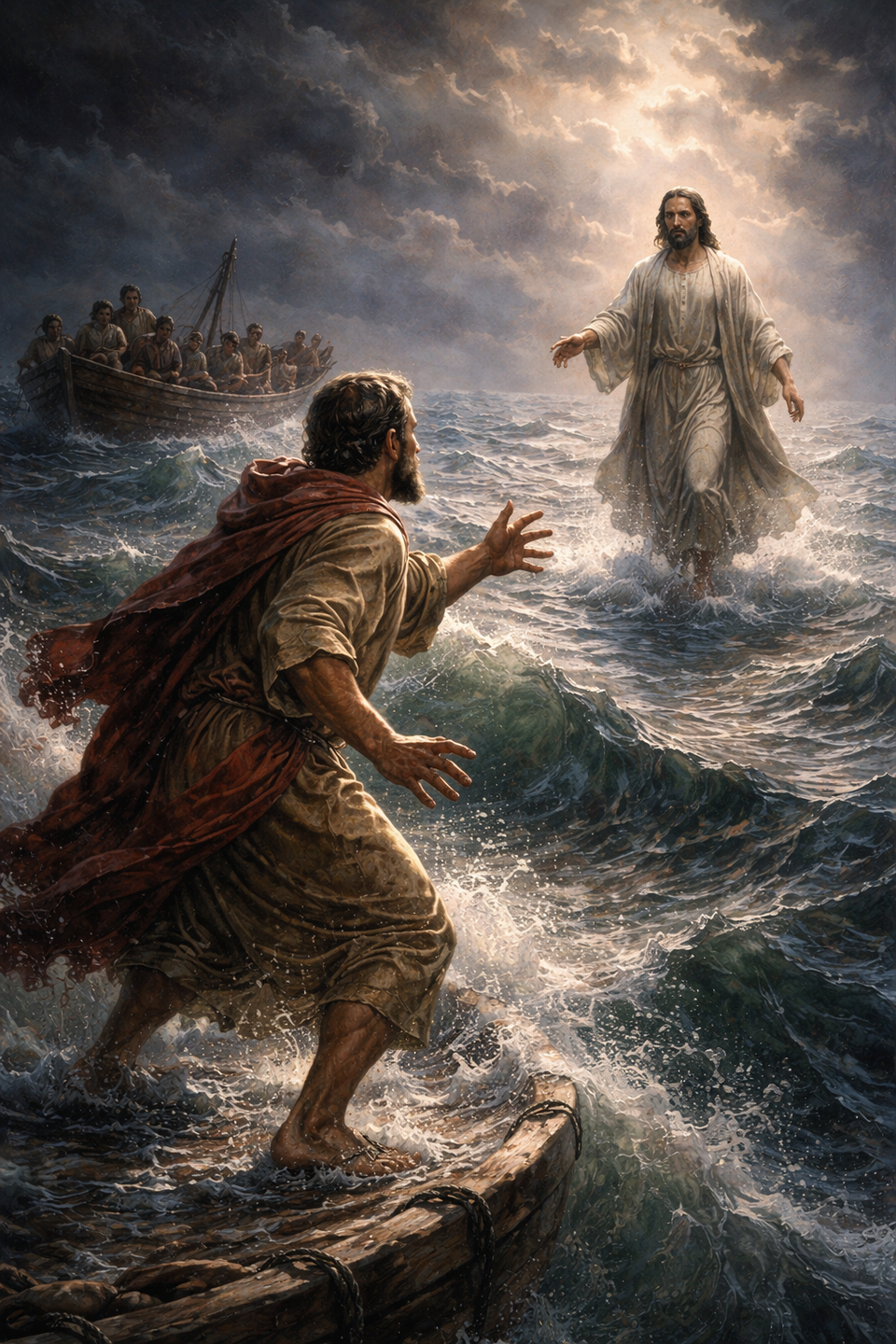
From Matthew 14:22–33, this sermon lays out three helps God gives His people in hard seasons: faith, focus, and foresight. It highlights the disciples being “constrained” to get into the ship, Jesus praying alone on the mountain, and Christ coming in the fourth watch of the night. Peter steps out by faith, begins to sink when his focus shifts to the wind, then cries, “Lord, save me,” and Christ immediately reaches out and catches him. The message calls believers to stay anchored in prayer, stay locked on the Savior, and cry out early instead of waiting until the waters are over your head.
Why Visit Forward for Christ Baptist Church in Luray, VA?
Forward for Christ Baptist Church is a King James Bible-believing church serving Page County and the Shenandoah Valley with clear preaching, traditional worship, and a heart for reaching people with the Gospel. If you want a church family that will point you to Christ in every season, encourage you to pray through the storm, and stand on the authority of Scripture, you are welcome here.
Text: Matthew 14:22–33
Delivered at Forward for Christ Baptist Church in Luray, VA 22835 (January 25, 2026)
Local Message Highlight
If you are searching for a Bible-preaching church near Luray, VA, this message was recorded during a snowstorm weekend when regular services were cancelled, but the Word of God was still preached. From Matthew 14, you will see the disciples battling a real storm, and you will be reminded that the storms we face today are not wasted. The Lord uses them for our good and for His glory, and He meets His people right in the middle of the waves.
What This Sermon Covers
From Matthew 14:22–33, this sermon lays out three helps God gives His people in hard seasons: faith, focus, and foresight. It highlights the disciples being “constrained” to get into the ship, Jesus praying alone on the mountain, and Christ coming in the fourth watch of the night. Peter steps out by faith, begins to sink when his focus shifts to the wind, then cries, “Lord, save me,” and Christ immediately reaches out and catches him. The message calls believers to stay anchored in prayer, stay locked on the Savior, and cry out early instead of waiting until the waters are over your head.
Why Visit Forward for Christ Baptist Church in Luray, VA?
Forward for Christ Baptist Church is a King James Bible-believing church serving Page County and the Shenandoah Valley with clear preaching, traditional worship, and a heart for reaching people with the Gospel. If you want a church family that will point you to Christ in every season, encourage you to pray through the storm, and stand on the authority of Scripture, you are welcome here.